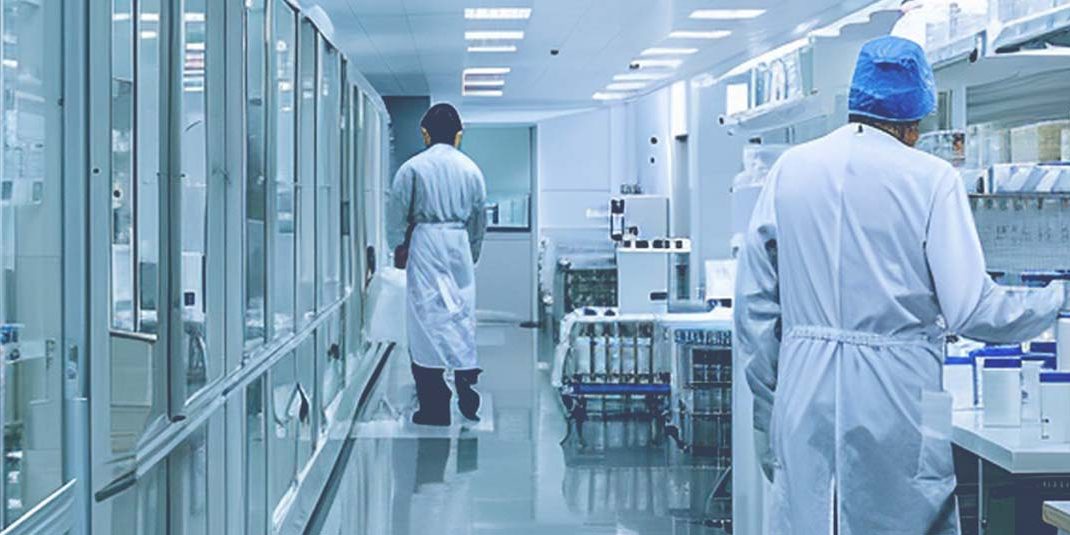
Clean room engineering is fundamental in the pharmaceutical market, ensuring that the production of medicines takes place in a controlled environment, free from contamination that could compromise the quality of the products. Within this context, the creation of isolated areas using Laminar Flow Air Barriers (RABs – Restricted Access Barriers) and enclosures becomes vital to maintain a high level of supervision over the internal environment.
You will find
Importance of Isolated Areas
Isolated areas are essential for the segregation of critical processes, minimizing the exposure of products and processes to possible sources of contamination. This isolation is achieved through the implementation of RABs and closure systems that create physical and pressure barriers, controlling the entry and exit of particles, microorganisms and other contaminants.
Benefits of Using RABs and Closures
- Environmental control: RABs help maintain adequate differential pressure, filtration and air circulation, reducing cross-contamination and maintaining product integrity.
- Safety and Quality: Physical barriers ensure that only authorized personnel have access to critical areas, reducing the risk of human error and improving process safety.
- Operational efficiency: The separation of areas allows multiple processes to be carried out simultaneously, optimizing the use of space and improving operational efficiency.
Implementation of RABs and Closures
Implementing RABs and closures requires detailed planning, from design to facility validation. By following installation and utility qualification guidelines, we can ensure that all steps are strictly controlled and documented.
Qualification Process Steps
- Planning and Design: Definition of user requirements and project specifications that meet specific environmental control needs.
- Installation and Assembly: Selection of suppliers, assembly and adjustment of installations, ensuring that all components are installed correctly.
- Acceptance Tests (FAT/SAT): Carrying out acceptance tests at the factory (FAT) and at the installation site (SAT) to ensure that the systems function as specified.
- Qualification: Execution of the project qualification (QP), installation qualification (QI), operation qualification (QO) and performance qualification (QD) stages, documenting that the installations function correctly and achieve the expected results.
- Maintenance and Monitoring: Development of standard operating procedures (SOPs), calibration, verification and continuous monitoring to ensure that the controlled environment is maintained throughout the operation.
Final Words
The creation of isolated areas using RABs and enclosures is an essential practice in cleanroom engineering for the pharmaceutical industry. This approach not only ensures product quality and safety, but also optimizes operational efficiency and control over production processes. Adopting a systematic and documented approach, as guided by good manufacturing practices and qualification guides, is crucial to the successful implementation and maintenance of these controlled environments.