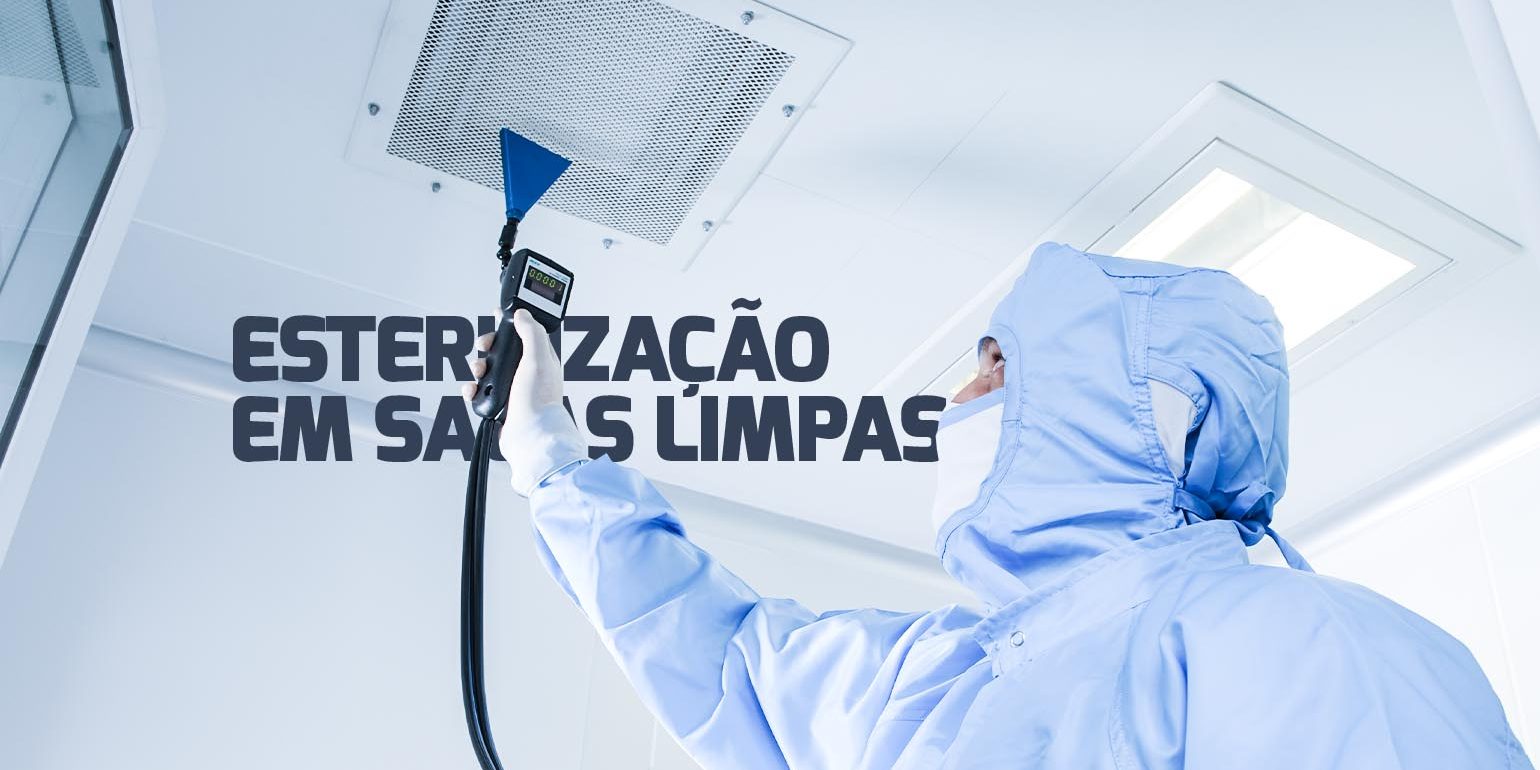
Cleanrooms are environments in which air purity and other parameters such as temperature, humidity and pressure are controlled in order to preserve the microbiological and physical qualities of a product.
These controlled environments are present in different contexts, such as in laboratories and in various industries, such as pharmaceutical, food, cosmetics, veterinary, biotechnology and nanotechnology.
Sterilization in clean rooms is necessary to combat contamination that can be external or internal. That is, dust particles, bacteria and microorganisms that can enter through doors, windows, clothes, cosmetics or even be generated in the environment by the wear of equipment and furniture.
Cleanrooms are essential in the manufacture of health-related products such as medicines, vaccines and food.
The Brazilian National Health Surveillance Agency (ANVISA), for example, has Normative Instruction No. 35 with Good Manufacturing Practices for medicines, with recommendations that include the installation of anterooms , air filters, and sterilization procedures in clean rooms.
These environments, therefore, are essential in the manufacture of several products, in order to maintain physical conditions, such as ideal texture, consistency and color, to avoid contamination by particles through sterilization, and to promote consumer safety.
In this article, you will find essential information on creating a controlled environment, as well as a list of requirements that should be known by any company that wants to install proper sterilization procedures in clean rooms.
Clean Room Projects
The essential care to control the environment must be foreseen in the project. Planning must consider the activities of the Clean Room, the flow of people, materials, processes, equipment and the entire interface to ensure its correct functioning.
Considerations regarding equipment require extra care due to the space they can occupy, the potential for contamination due to wear on their surfaces and by their processes.
Equipment can impair the sterilization of clean rooms and, therefore, companies that use products such as ovens, depyrogenization ovens and autoclaves in their production process should carefully consider them when designing the environment.
It is necessary to consider the inputs and outputs of products and materials that will be used, as well as the spaces required for the installation, operation, and maintenance of equipment.
This includes allocating space, for example, for changing air filters, opening side panels, supplying utilities required in the process, and locating power, command, and control panels.
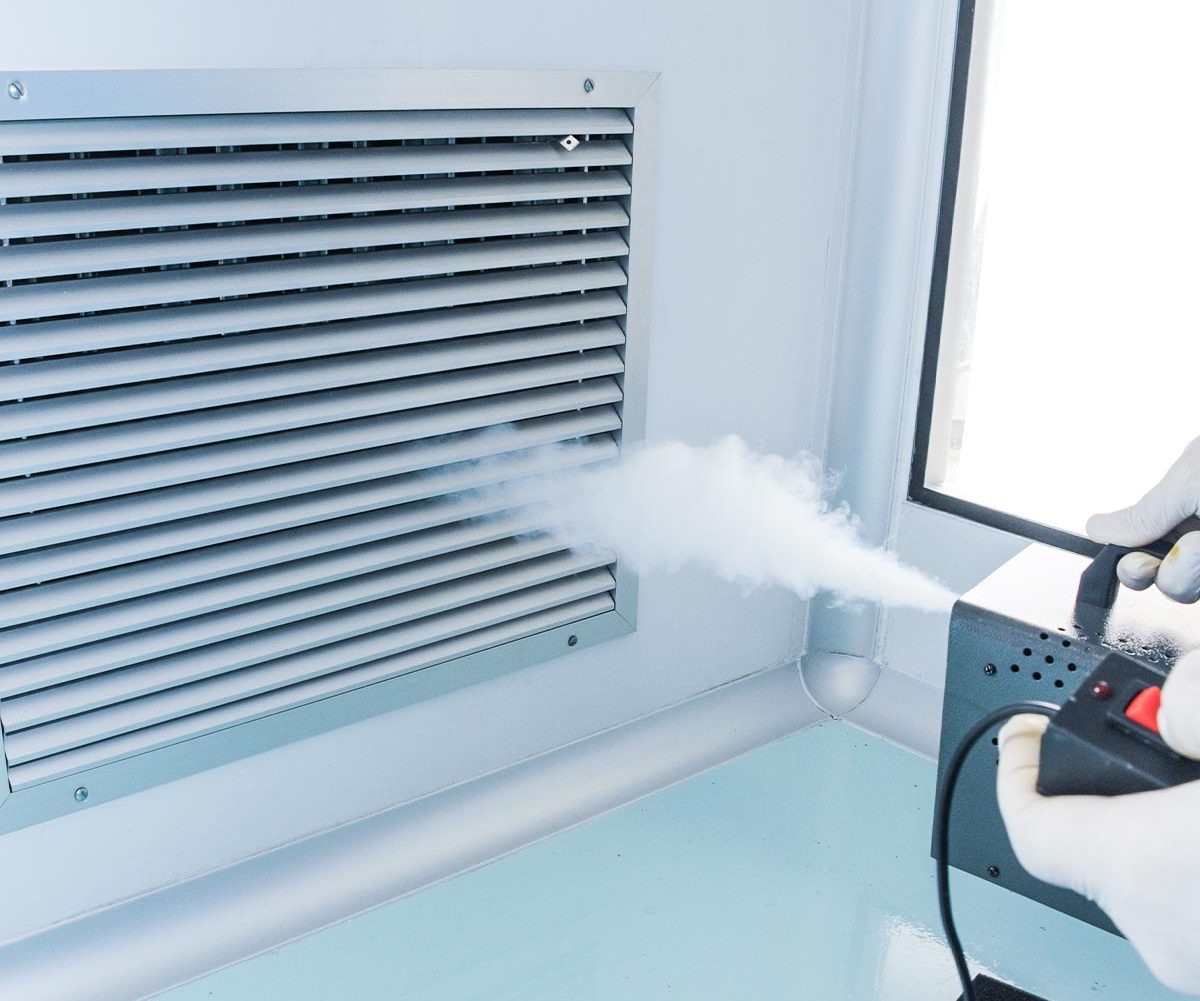
Clean Rooms must also have antechambers through which people, materials and equipment access the environment. The function of these products is to prevent the mixing of outside air with filtered air.
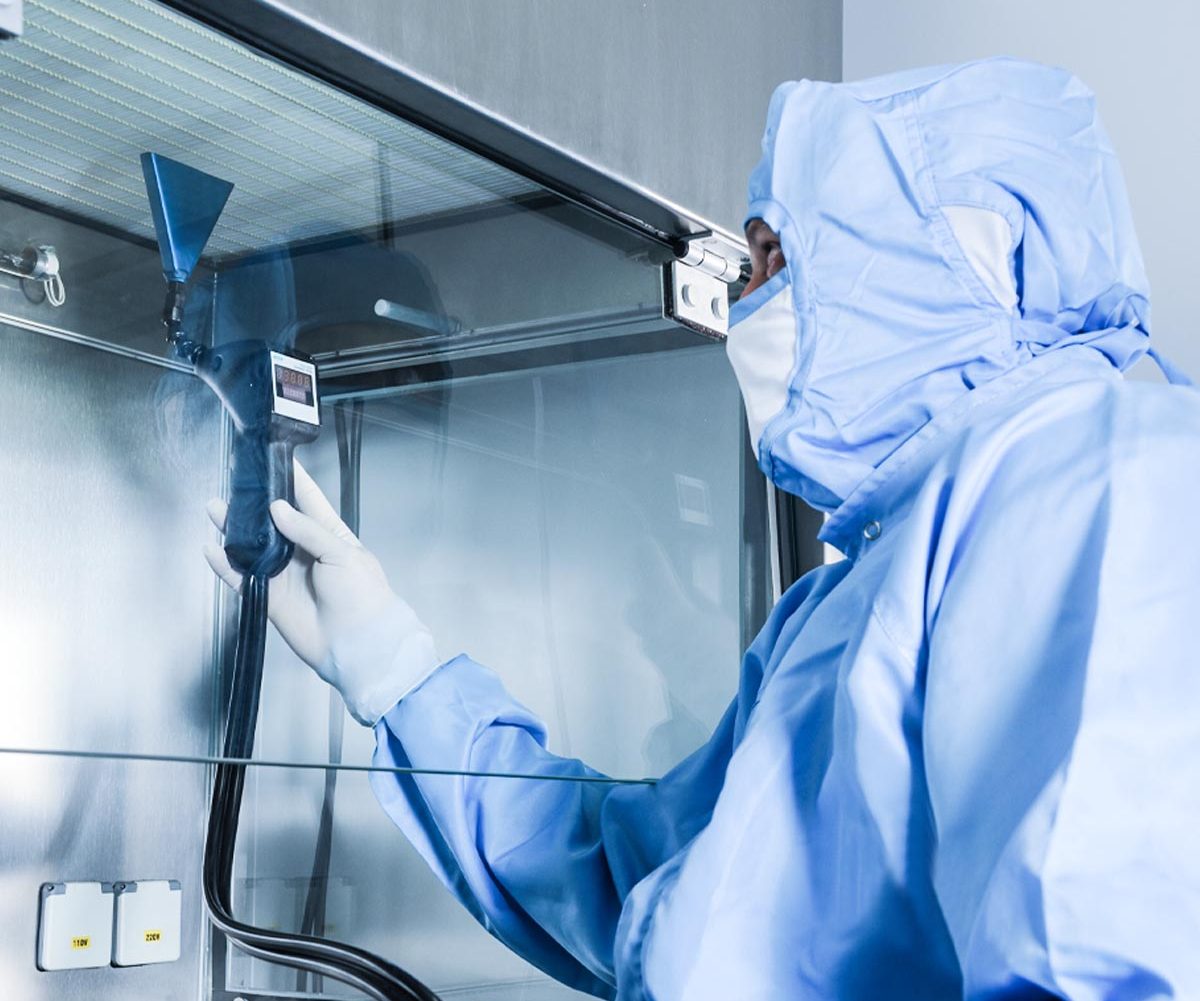
The air conditioning system, by the way, is essential in the sterilization of Clean Rooms and must also be considered in the project. HEPA (High Efficiency Particulate Air) and ULPA (Ultra Low Particulate Air) installations may be required to trap particulate matter in the air and control other parameters.
The air that circulates in Clean Room environments is frequently subjected to filtration through HEPA filters, due to its retention of at least 99,999% of the microbial cells and spores and other particles present in the air.
This purification process involves the removal of microorganism cells from liquid or gas solutions by crossing filter membranes. These can be of various materials and have very small pore diameters in which microbial cells are trapped.
The degree of purity, and consequently the filtration system , must comply with the number and size of particles allowed per volume of air in the design.
In addition to cleaning the air, people, equipment and materials, it is also necessary to consider the final product, which is not considered free from contamination and, therefore, must undergo sterilization, to be carried out according to the resistance of the item at high temperatures.
Requirements for sterilization in clean rooms
Sterilization in a Clean Room is an essential step in any project. Some fundamental requirements guarantee the creation and maintenance of an environment with excellence and success. It is necessary to be aware of some points that leave no room for error:
- Promote the circulation necessary for the entry and exit of items, products and materials from the Clean Room;
- Consider the real spaces occupied by the equipment, especially autoclaves, ovens and ovens that heat up;
- Check the technical areas with enough space to supply the utilities required in the process, such as: electricity, condensed steam, compressed air, exhaust ducts and/or air replacement, cooling and drainage water;
- Include in the project the details of the antechambers, used to give access to the operators of the rooms and also to the materials;
- Consider the location of the electrical supply, command and control panels;
- Provide the necessary space for all maintenance equipment, for the correct opening of the side panels;
- Maintain the routine in replacing filters, motors, fans, heat exchangers, electronic components, among others.
By making sure that all these requirements are met, the environment can be considered a clean room that is sterile and ready for operation in accordance with standards.
However, it is important to note that all protocols and processes continue to be respected so that the room does not lose its certification.
It is worth noting that it is essential to combine best practices for contamination prevention with sterilization in cleanrooms. In this regard, the article ' How to avoid contamination in a cleanroom ' is a good source of information.
Controlled environments are important in many contexts and essential to meet regulations. Its activities and the flow of production, people, materials and equipment must be considered from the project, as well as the level of air purity. In general, the sterilization of Clean Rooms comprises the installation of antechambers, filters and the guarantee of space for installation, safe operation and maintenance of all necessary equipment.
To learn more, visit the full page about Cleanrooms.